Keep the work moving. IT shouldn't feel like a fire drill.
The till should open without a dead line. The day shouldn't start with no coverage. We write the picture first — current environment, risks, a 90-day / 6-month / 12-month roadmap — so endpoints, network, cameras, and Microsoft 365 can run together. That is the paid assessment. Implementation, support, and procurement are separate jobs. No prices on the site.
The till should open without a dead line. No prices on the site; the first step is a paid assessment.
Write the picture first. Then put the work in order.
Who this is for
One site or several — it does not matter. Retail, logistics, clinics, manufacturing. The field reality is endpoints, network, cameras, and Microsoft 365 running at once.
Not a cheap break-fix quote. We write the picture first.
The field, unnamed
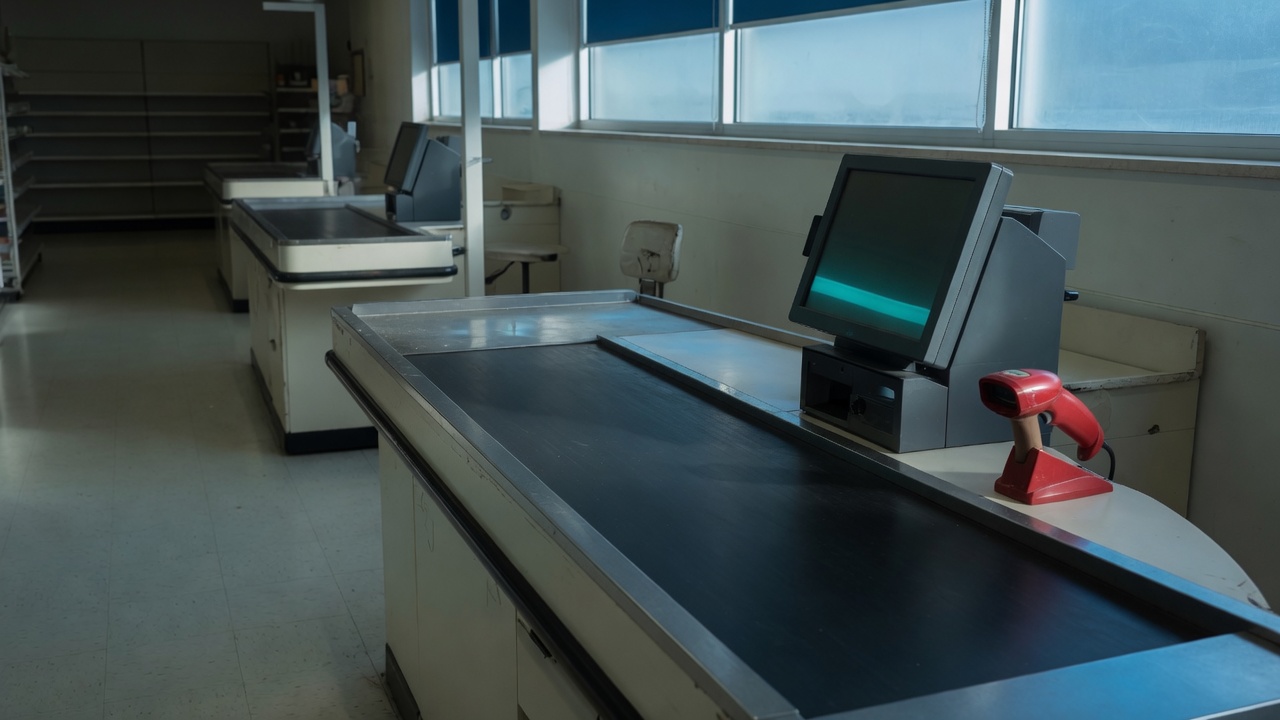
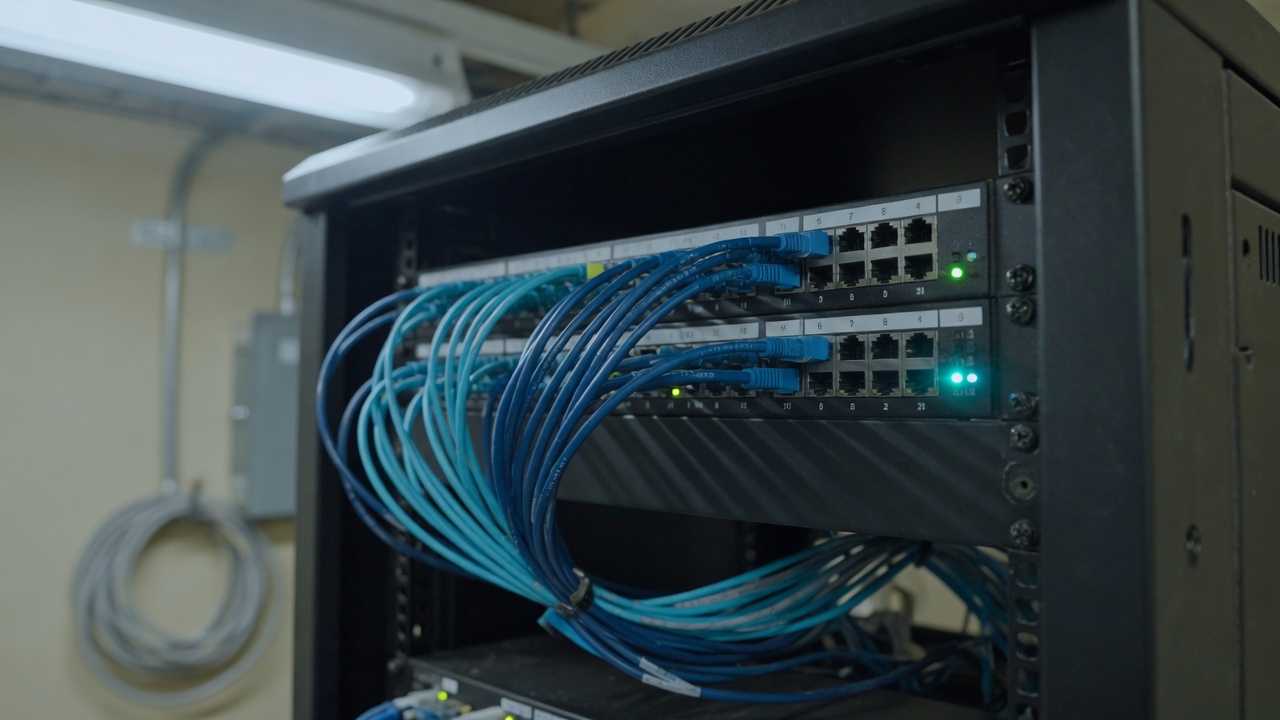
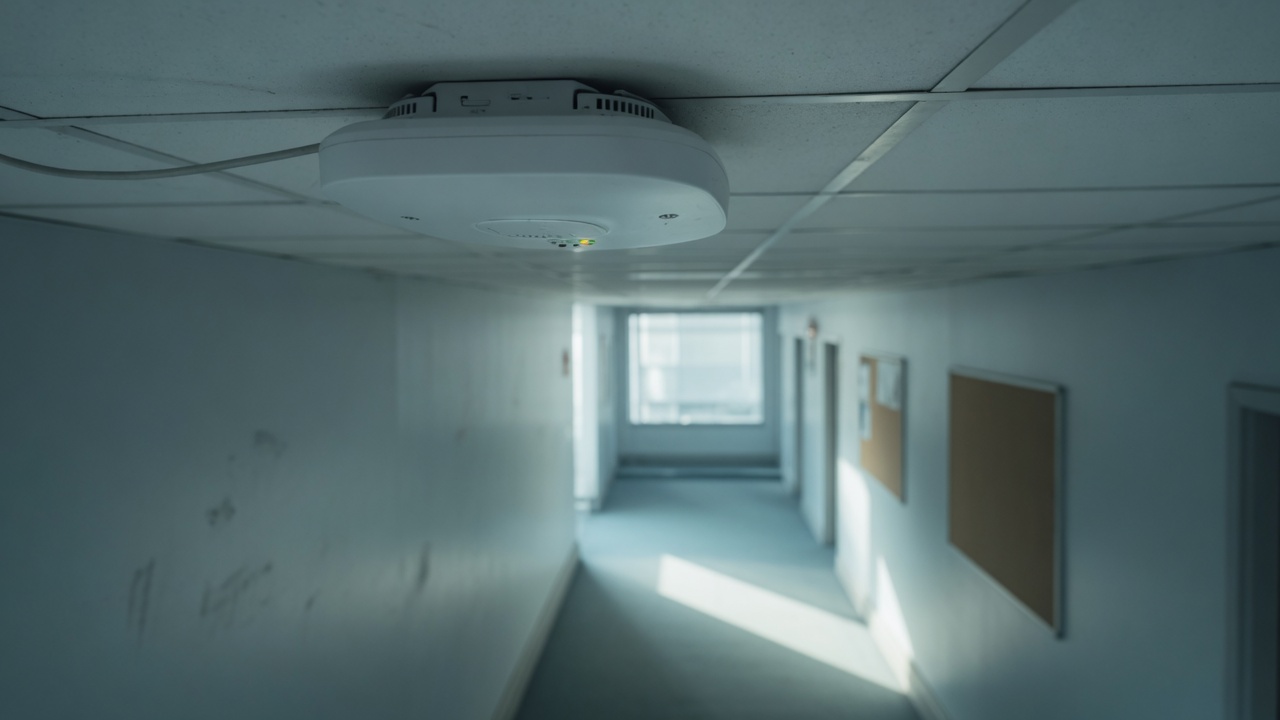
No logos. No signage. The rooms where work stops if the line drops.
Checkout lane.
Cabinet.
Corridor.
Lines.
ADefault first step
Featured offer: paid assessment and roadmap
The default first paid step. We inventory the current environment; deliverables are the roadmap, risk matrix, and management summary. You are buying senior judgment, not a timesheet only.
The paid assessment and roadmap is the default first step. Once scope is tight we write separate proposals for endpoint, server, network, firewall and Wi-Fi delivery; Microsoft 365 and identity advisory; and IT integration of cameras and line-of-business applications. On-site or remote support is a monthly fee or a written call-out; procurement starts after the supplier cost is in.
We refuse
We do not write an unscoped “fix everything” fixed price. We do not take walk-in consumer PC repair. We do not publish client names, logos, or identifiable site photographs.
Recording, ceiling — unnamed.
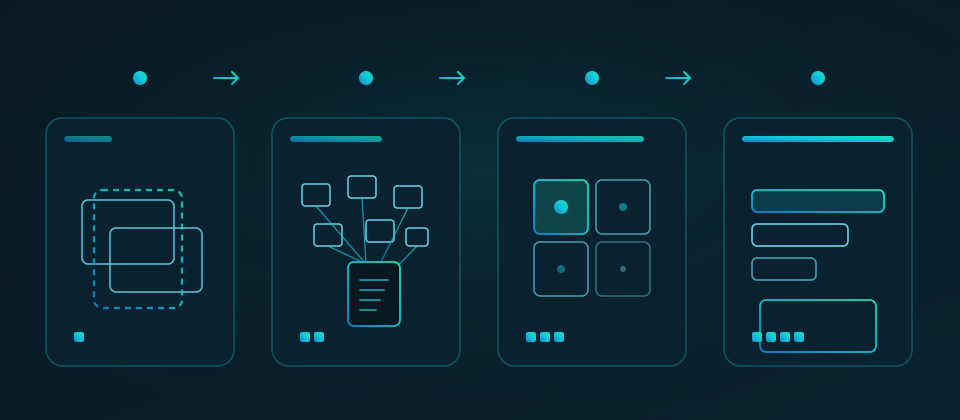
Assessment is four phases
Paid assessment in four phases — schematic.
Phase 1 — Start and scope confirmation
The opening meeting names critical stakeholders, site count, user band, and why the work is being asked now. Scope, priority and expectations are the output; “look at everything” is narrowed here. This phase is not labelled kickoff. Field scanning does not start before commercial acceptance.
Phase 2 — Information gathering and environment analysis
Interviews and questionnaires, review of existing documents and inventories, and on-site or remote technical review sit here. Endpoints, servers, network, identity, backup and field systems go into one file. Site count breaks the single-discovery assumption: each location is not a separate photograph; it is part of one operating picture.
Phase 3 — Findings and risk assessment
Technical and operational findings are classified. Critical risk, work that can be done immediately, and longer-range work are split. This phase is not a product list; “buy this box” becomes a procurement line only after risk and dependencies are written.
Phase 4 — Roadmap and management summary
Short-, medium- and long-term actions, ranked workstreams, procurement and implementation items, and the management presentation are the deliverables. 90 days / 6 months / 12 months is not a slogan on this page; it is a dated band in the pack. If the presentation is accepted, the order and the opening meeting are separate steps.
A camera order often arrives as a separate vendor, a separate password, and a disk nobody can name. Recording belongs on the same network, identity, and backup file. Who watches, where the stream lands, and who owns an outage — those three lines are written before any box list.
We inventory the environment and write a 90-day / 6-month / 12-month roadmap.
Contracted on-site support, with hours and response window written as commercial lines.
The company is a new legal entity. The founder previously held direct technical responsibility, in a separate practice, for hundreds of endpoints and dozens of virtual workloads, with no known claims, major incidents, or data breaches.
Write to pin down scope
We do not publish prices on the site. Paid assessment is the default first step.